Lehman College’s Food Bank Improves Students Quality of Life
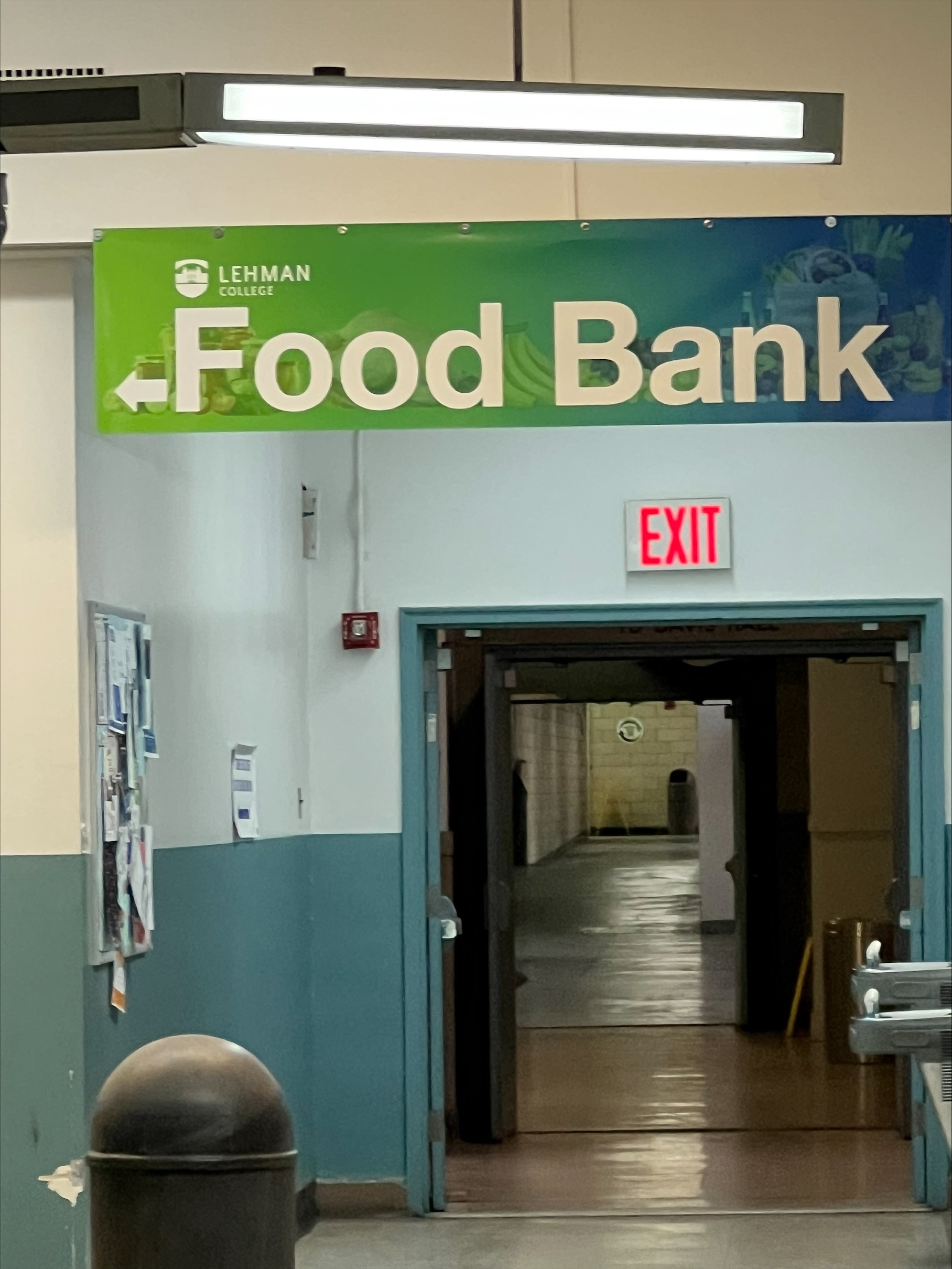
Photo by Jada Duffus
By Jada Duffus
Herbert H. Lehman College’s Food Bank is often open on Wednesdays and Thursdays in Room B015A in the Old Gym basement. The bank provides students with access to fresh produce, grocery bags, and grab-and-go items to fuel students. During spring 2026, the food bank experienced an increase
in numbers due to many current issues increasing food insecurity.

Dr. Jay Jones, director of Student Support Services Programs, said, “We have seen a steady increase in students seeking support as a result of rising financial instability, challenges with SNAP
benefits, and increasing fears about their future.” She also mentioned that awareness within the campus, as well as destigmatizing getting help, has urged more students to seek to use this resource.

Gabriela Rodriguez, who manages the operations daily, noticed a rise in 2026 during the spring as well. “Some students have mentioned the SNAP benefits caused them to have less access to food and would come to the Food Bank just to find their dinner
that night.” She also talked about some students living in shelters and not having access to a stove or fridge, along with not being able to store frozen food.

Sabrina Garcia, a Lehman College student, said, “Lehman’s food bank currently supports students on campus by providing food and pantry items for those in need. Because the prices have
increased, it is more difficult to obtain donations from food vendors.” The Lehman community can contribute by adding members to help with donating cans and jarred goods with other pantry items.

“Food insecurity at Lehman College is closely tied to the rising cost of living and education, with increasing tuition, housing, transportation, and grocery prices forcing many students to choose between basic necessities,” Dr. Jones said.

However, increased demand has created new challenges for the food pantry to support the community. “One of the primary challenges we face is navigating the high cost of food, which increases our required spending to maintain a diverse range of options for our students,” Dr. Jones said.

Rodriguez also mentioned how infrastructure and space limitations can have a negative impact on the operation. “The biggest challenges we are facing are [a lack of] Wi-Fi connection, space
in our freezers (this causes us to order less frozen items), storage
space in general, and the check-in process. All of these have been brought to light, and it’s under review,” Rodriguez said.

Monetary donations are essential because they extend the bank’s budget, allowing the team to support more students at Lehman. “Cash contributions also allow us to purchase specific high demand items we know students need and allow us to consistently stock
culturally diverse food options that may not always come through traditional donations,” Dr. Jones said.
“Students today are not just students. Many are providers, caregivers, and full-time workers. When basic needs are unstable, anxiety becomes almost inevitable.”
— Dr. Marta Gil, psychologist
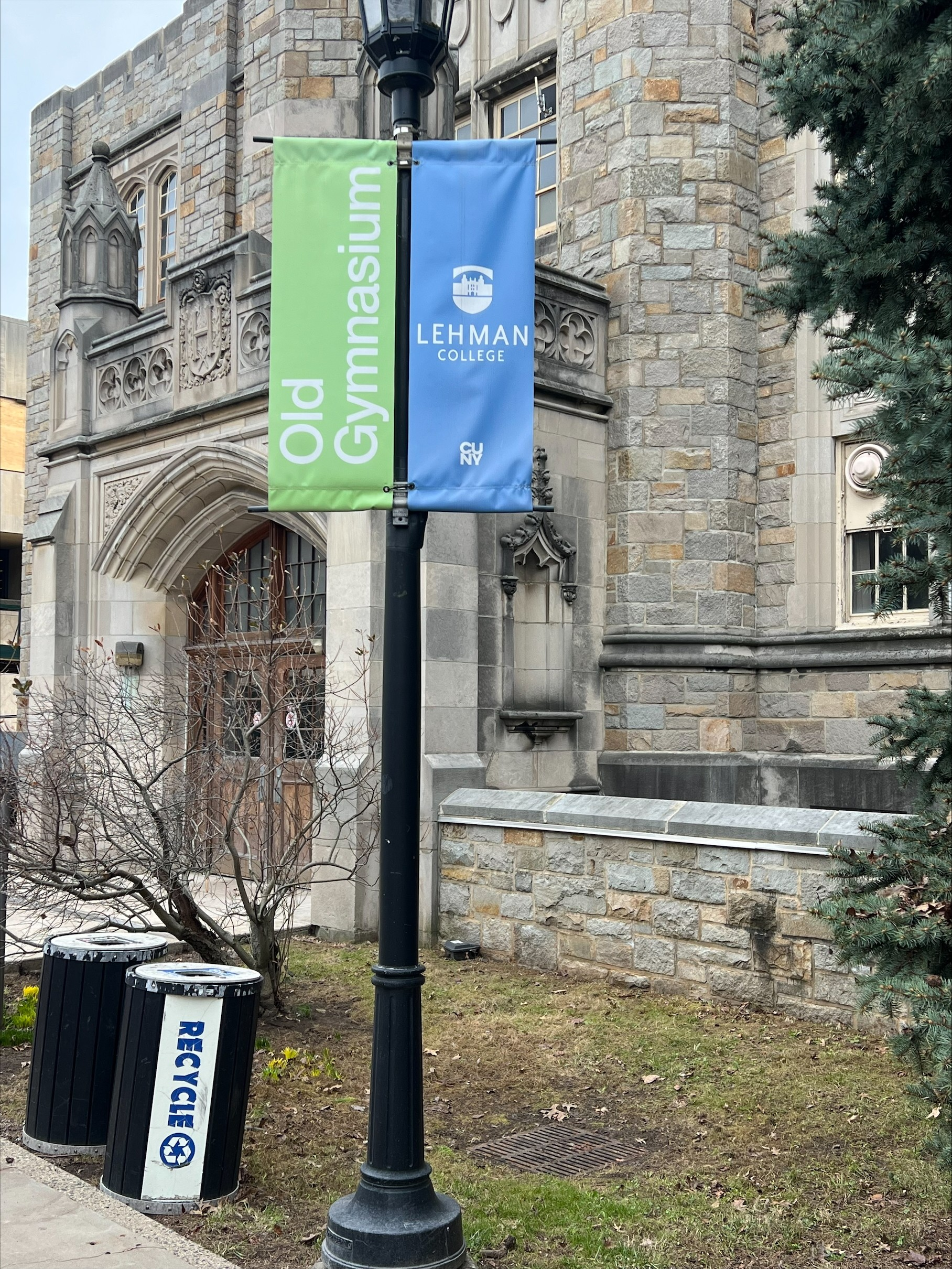
Photo by Jada Duffus