Homelessness Keeps Rising in New York City
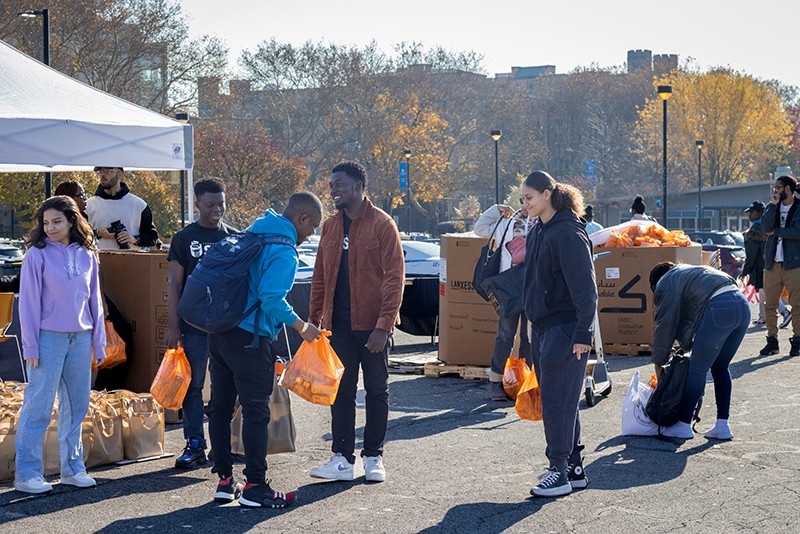
Photo from Lehman Website
By Arlin Rodriguez

Homelessness within New York City and the Bronx in 2026 continues
to rise, with residents and social workers noticing inflation, high rent,
and limited access to mental health services as key factors contributing to the increase.

According to Claudia Mendez, a Bronx social worker and Lehman College alumna, “Homelessness increased in 2024, and with 2025 data expected later this year, I would not be surprised if that upward trend continues. Both children and adults are being significantly impacted, facing instability that affects their health, education, employment opportunities, and overall well-being.”

Mendez also said that service reductions are worsening the crisis. “Many communities are seeing reductions in services and funding that are meant to address homelessness,” she said. “When support systems are cut back while the need continues to rise, it creates an even greater challenge for individuals and families trying to regain stability.”

Bronx resident Diana Barrientos, who works in social work administration, pointed to the cost of living in New York City as still being too high—even for those living alone. “In New York City, the rent is way too high,” Barrientos said. “The wages don’t equate with the standard of living, which causes people to not be able to pay their bills and, ultimately, sometimes even getting laid off and not being able to have a place to live.”

Recent extreme winter conditions have highlighted the risks faced by people experiencing homelessness. A February report from The
Guardian noted that at least 17 people died during severe cold weather in New York, with 13 deaths linked to hypothermia. Additional reporting from THE CITY found that city officials were questioned during a City Council hearing tafter multiple cold-related deaths among people experiencing homelessness during the January–February cold snap.

Community members also emphasized the connection between
homelessness and limited access to mental health care. Barrientos described barriers people face when trying to seek support. “Some
people don’t know where to look, especially in a time when they’re too
lost in their mind.”
“When support systems are cut back while the need continues to rise, it creates an even greater challenge for individuals and families trying to regain stability.”
— Claudia Mendez, Bronx social worker and Lehman College alumna
Jayla Booker, a Lehman College public health major who lives and works in the Bronx, said community advocacy could help reduce those barriers. “What communities can do to make mental health more affordable is to use their platforms, if they have one, to advocate how important mental health is,” Booker said.

Mendez suggested partnerships with established agencies to expand access. “Communities and organizations can improve access to mental
health care by building strong connections with agencies that provide
free or low-cost services,” she said, citing groups such as the National Alliance on Mental Illness and the New York State Office of Mental
Health. She also noted that resources such as the 988 Suicide & Crisis
Lifeline offer free, 24-hour support.