Medical Professionals Dismantle Cannabis Stigma for Bronx Elders
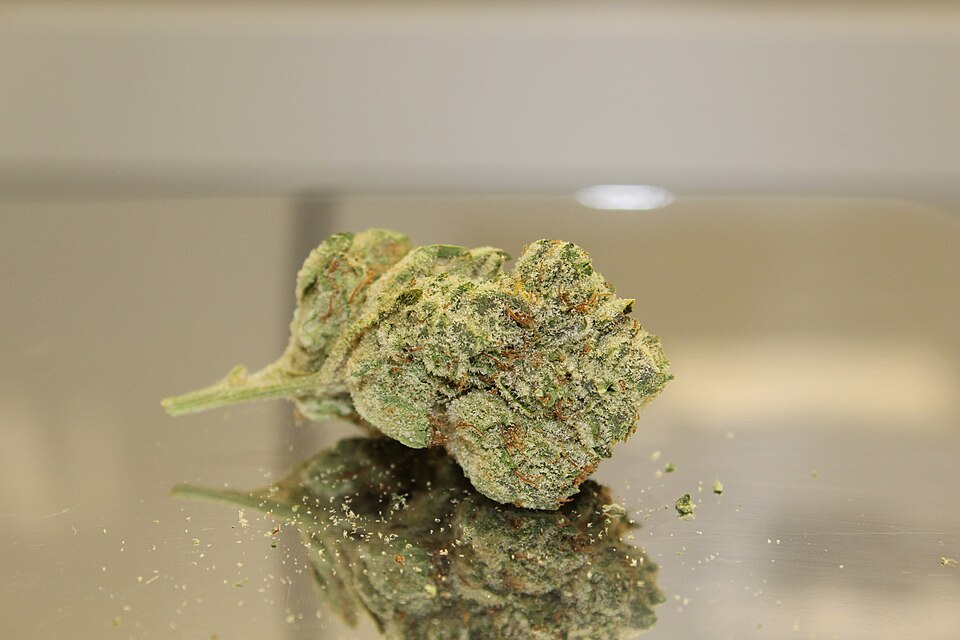
Cannabis reflecting on a table.
Author: HerrBlaze
By Savon Williams
On March 11, Martha McDermott, Lehman College’s Cannabis Case Manager, facilitated a Zoom seminar called “Golden Years, Greener Options: Medical Cannabis for Older Adults,” which featured medical officers Dr. June Chin and Dr. Ken Weinberg.Chin, chief medical officer for the New York State Office of Cannabis Management, opened with a story about one of her patients. Ms. Rodriguez was suffering from arthritis and needed a form of care that would allow her to live without pain and sleep at night. While Rodriguez’s mind went to cannabis, the stigma and fear surrounding cannabis use caused her to act without any advice from a medical professional. As a result, she overspent on cannabis, paying up to $300, and misused what she bought, leading to a panic attack and an emergency room visit. “The problem wasn’t that Ms. Rodriguez made a bad choice; the problem is the system…made the safe choice feel inaccessible,” concluded Chin.Chin stated that from 2023 to the present, one million adults in the U.S. use cannabis daily, which is comparable to the number of Americans who buy coffee. There has been a 50% increase among older adults who use cannabis over the last two years. “The question has shifted: it’s no longer who’s using cannabis; it’s how can we make sure people have the information they need to use it safely,” said Chin.“I was able to go back to work...I truly credit [that] to having the cannabis.”
Dr. Kenneth R. Weinberg, chief medical officer and creator of Cannabis Doctors of New York, presented a general history of cannabis use that focused on the stigma around it. He noted that this stigma has only existed for the last 80 years. Weinberg explained that it was generated as part of an effort to criminalize marginalized communities as adversaries rather than for any reason based on science. To dismantle the negative myth, Weinberg explained the science regarding the endocannabinoid system (ECS) and how it affects our bodies’ ability to send signals throughout, resulting in, for example, our ability to eat, sleep, and experience pain. The study of cannabis, he said, is important because there are chemicals in the plant that can influence the way that we experience these signals in the body, especially for older patients who experience chronic pain from these signals.“Everyone thinks about THC [tetrahydrocannabinol] for its psychoactive properties, but it’s also very good for inflammation... [and] for muscle spasticity... It’s good for appetite, it’s good for nausea,” Weinberg said. He also pointed to specific use cases for specific cannabis chemicals. “You want to start low and go slow... because people have very different sensitivities.”Michelle Sajous, ex-director of River Bay Corporation for 16 years and a medical cannabis patient, reported on her experience with losing her leg from diabetes and experiencing chronic pain because of neuropathy. Sajous’ doctor originally avoided conversations about medical cannabis, leading her to rely on the standard medical practice of opioids, which left her in an uncomfortable state. However, after reaching the Bronx Verilife Dispensary, the pharmacist explained how to access cannabis, its purpose, and methods of consuming it. “He explained to me that it’s not about getting high; it’s about getting a healing,” Sajous said. “I did go with tinctures...It did get rid of some of that inflammation in the morning...and that dull ache. I was able to go back to work...I truly credit [that] to having the cannabis.”Medical cannabis offers an alternative to the standard series of opioids that cause additional pain to the body. Through proper education, careful selection, and guidance from medical professionals, medical cannabis is a solution that will allow older New Yorkers like Sajous to continue to live in peace, without being held back by pain.