From Stigma to Storefronts: The Rise of the Cannabis Industry in the Bronx
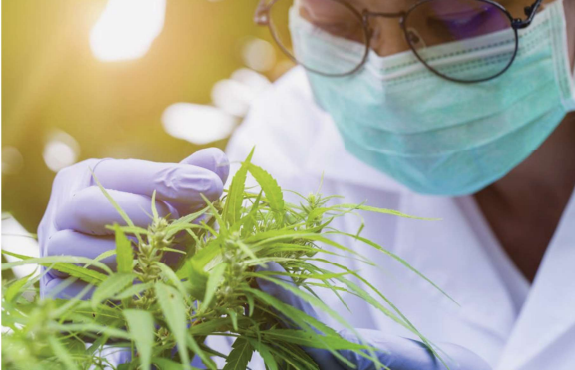
Cover for the Medical Cannabis Webinar at Lehman’s School of Continuing and Professional Studies
Photo by https://www.lehman.cuny.edu/news/
By Jennifer EstrellaCannabis in the Bronx doesn’t look the way it used to, and that change didn’t happen overnight. Since New York passed the Marijuana Regulation and Taxation Act in 2021, legal dispensaries have slowly started to take shape across the borough. But even now, the shift from illegal to legal isn’t as simple as it sounds.For Levent Ozkurt, co-owner of Hush Dispensary, the process has been anything but easy. He and his cousin opened their shop in late 2023 after what he describes as a “challenging path through the state’s licensing process.”“The industry has gone from almost non-existent legal retail to a growing presence,” Ozkurt says. When Hush first opened, there were barely any legal dispensaries in the Bronx. Now, more are starting to appear, bringing what he calls “safer, tested products” into the community.Still, he’s clear that the transition hasn’t been smooth. “The shift has been gradual but meaningful,” he explains, pointing out that licensing delays and competition from unregulated shops continue to be real obstacles.Even with those challenges, Ozkurt believes the industry has the potential to benefit the borough. This potential is already reflected in broader market growth across New York State. In December 2024, the official New York State site highlighted more than $1 billion in cannabis-related equity and investment initiatives, designed to support communities impacted by past cannabis enforcement and increase access to the legal market.“Some people still have that mindset that it’s all bad or connected to crime, but when you actually go into these places, it’s not like that at all.” - Stephanie Boyer, Regular at Bronx dispensaries
Further reporting from the New York Post showed that in 2025, legal cannabis sales had surpassed $2.5 billion statewide, and the number of licensed dispensaries more than doubled during the year, showing how quickly the industry has expanded from its early rollout phase.From the customer side, the experience feels different, too. Stephanie Boyer, a regular at Bronx dispensaries, says the biggest change is the environment. Buying cannabis legally feels more open and less uncertain.“Before, you didn’t really know what you were getting,” she says. “Now you can actually ask questions, and it feels more legit.”For her, the shift isn’t just about convenience; it’s about trust. Being able to walk into a licensed shop and know the products are tested makes a difference. Still, she notices that not everyone sees it that way.“Some people still have that mindset that it’s all bad or connected to crime,” she says. “But when you actually go into these places, it’s not like that at all.”For others, cannabis plays a more personal role. Julie, a certified patient, uses it as part of managing her health and says legalization has made that process easier.“It feels more normal now,” she says. “I don’t feel like I have to hide it the way I used to.”She adds that having access to licensed dispensaries has helped her better understand what works for her, especially with guidance from staff. But stigma, she says, hasn’t fully gone away, especially among older adults.“There’s still hesitation,” Julie explains. “People are more open than before, but there’s still a lot they don’t understand.”Back on the business side, one of the biggest misconceptions is how easy people think the industry is. Running a dispensary comes with strict regulations, high costs, and constant competition from unlicensed sellers who often offer cheaper, untested products. On top of that, access to banking and funding is still limited, making it harder for small, local businesses to grow.Even so, Ozkurt stresses that supporting legal dispensaries matters.“The legal cannabis industry is far more than just retail sales,” he says. “It’s a heavily regulated sector focused on consumer safety, public health, and economic equity.”